
Our Essential guide to
Canada Waterfowl Hunting in Saskatchewan and Alberta
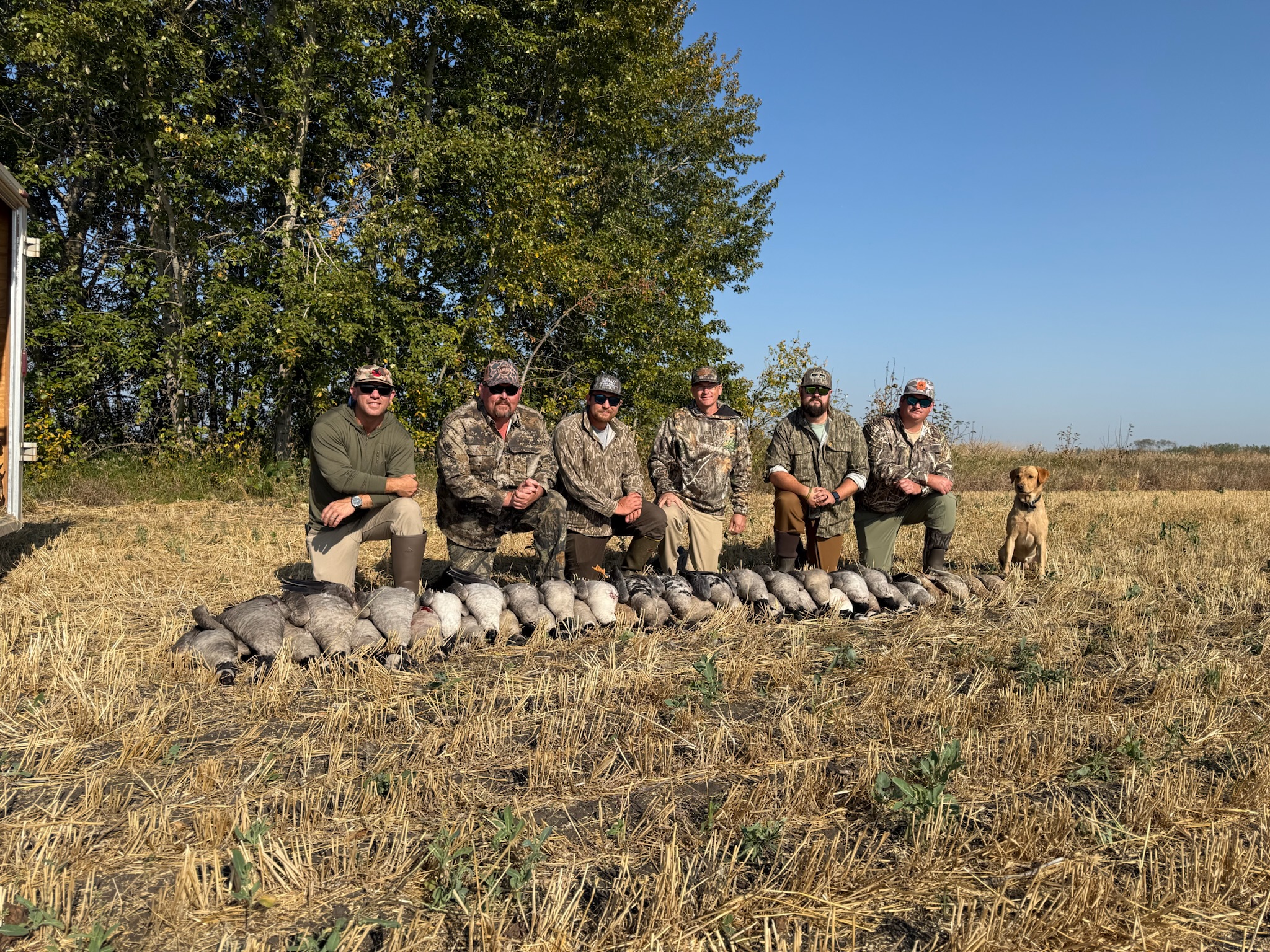
Each fall, ducks and geese gather by the thousands on the prairies of Saskatchewan and Alberta before the long flight south. Snow, blue, and Ross’s geese pile into stubble fields alongside Canada geese and specklebellies. Mallards, pintails, and wigeon work the potholes in between. For a waterfowler, few places in North America put this many birds over the decoys at once.
Wings partners with two proven Canadian outfitters: Lucky Lake Hunting Adventures in central Saskatchewan and Northern Winds Outfitting in central Alberta. This guide covers what sets prairie waterfowling apart, where the birds concentrate, how the season changes from September into December, and what a day in the field looks like.
Why the Canadian Prairies Belong on Every Waterfowler’s List
The North American flight starts here. The prairie pothole region is one of the most important waterfowl breeding and migration landscapes on the continent, and every fall its birds stage in Saskatchewan and Alberta grain fields before they reach a U.S. flyway.
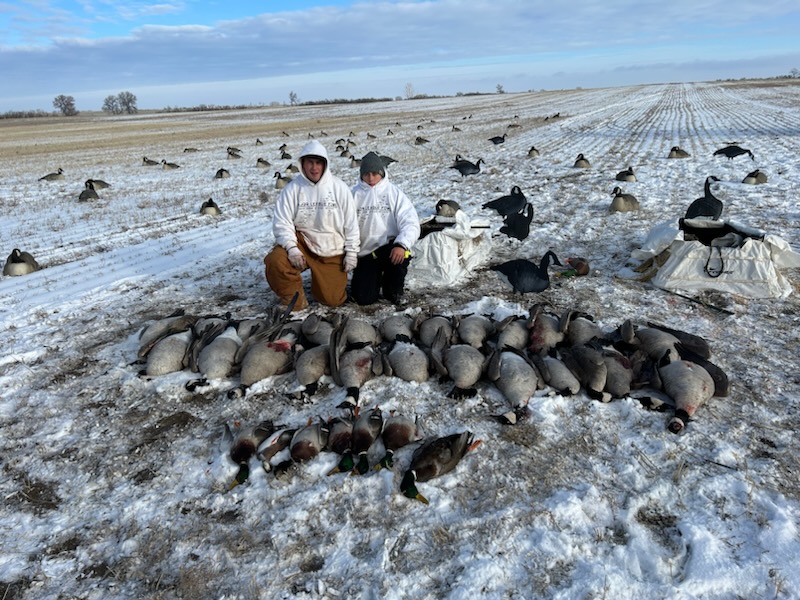
Field hunting over decoys defines the experience. Geese and ducks leave the roost at first light to feed on cut grain, and a well-placed spread brings that traffic straight to the blind. Mornings usually belong to geese. Afternoons belong to ducks.
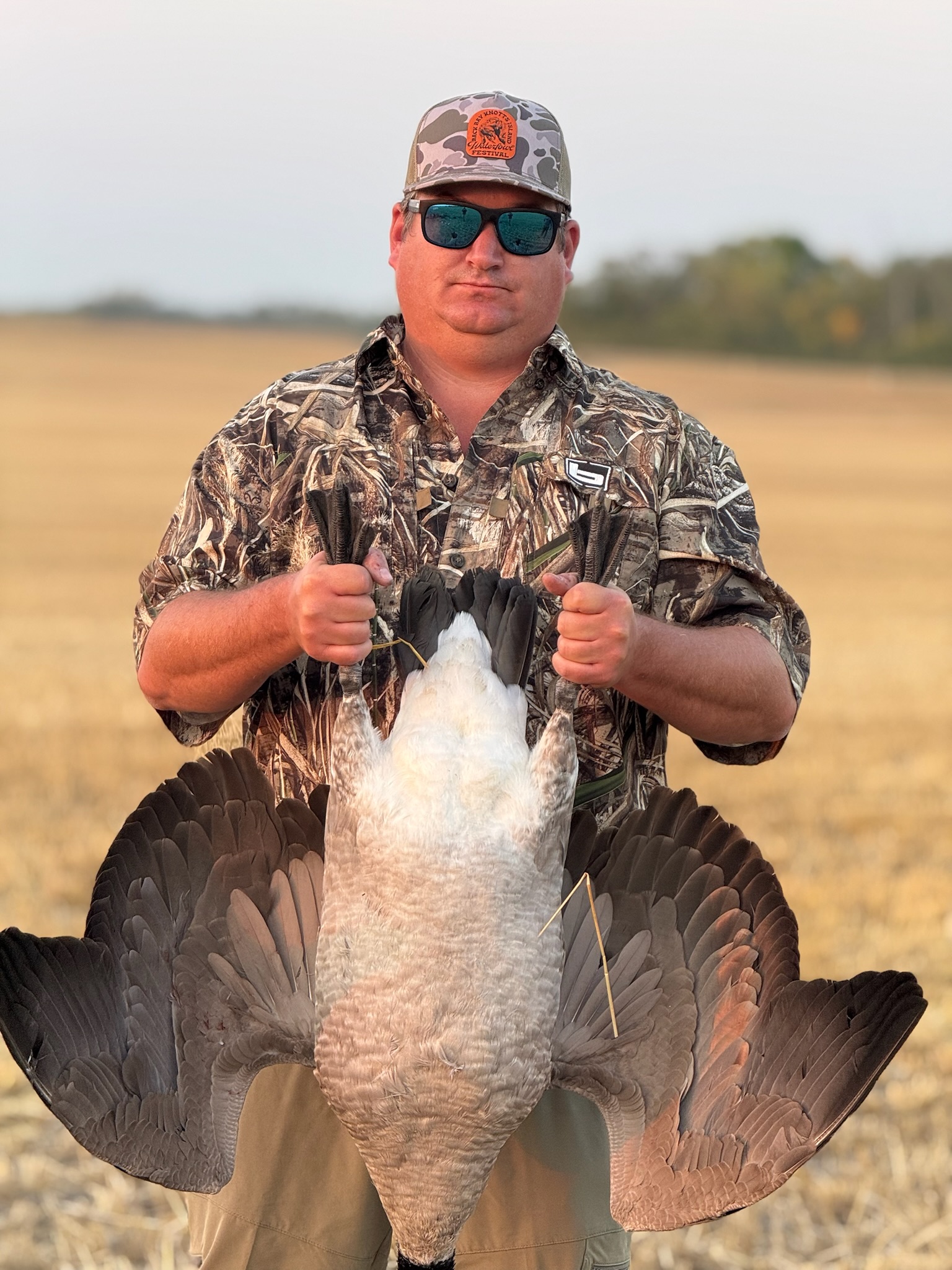
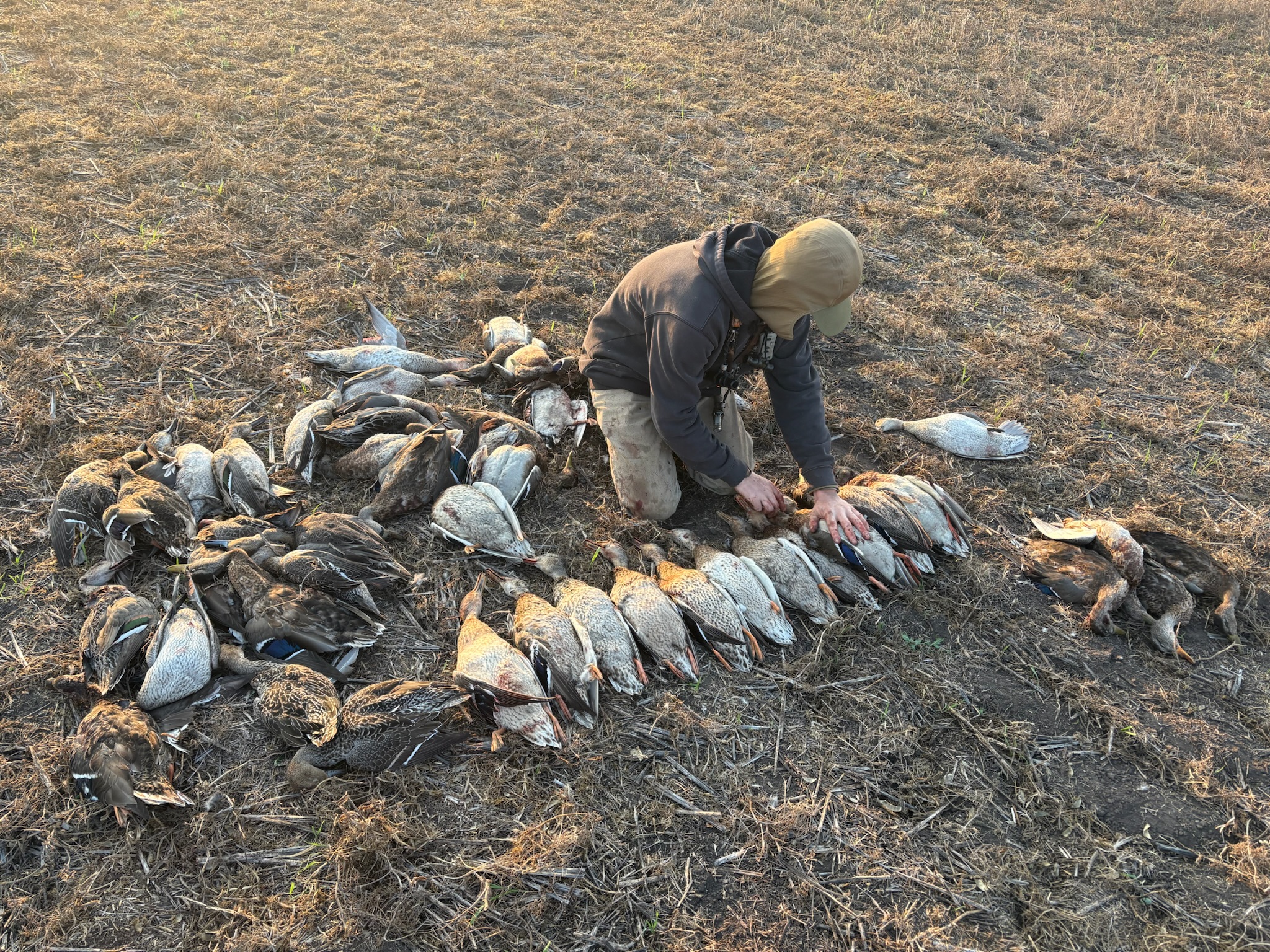
The variety is hard to beat. One trip can produce three kinds of light geese, Canada geese, specklebellies, a full mix of puddle ducks, and, in Saskatchewan, sandhill cranes.
Where the Birds Concentrate in Saskatchewan and Alberta
The best shooting follows food and water. These are the landscapes that hold birds through the fall:
Lucky Lake, Saskatchewan
Prairie pothole country at the crossroads of the Central and Mississippi flyways.
Central Alberta
Farmland on the edge of the boreal forest, where Northern Winds hunts more than 36,000 square miles of habitat.
Grain Stubble Fields
Where ducks and geese feed morning and evening, and where most decoy hunts take place.
Potholes and Wetlands
The roosting and resting water that keeps birds in the area between feeds.
How the Fall Flight Unfolds
Most Canadian trips run from early September through November, and each part of the season hunts differently:
Early Season
Early fall brings local ducks and resident geese still working their home fields. Alberta’s spot on the boreal fringe gives early access to birds before they move south.
Peak Migration
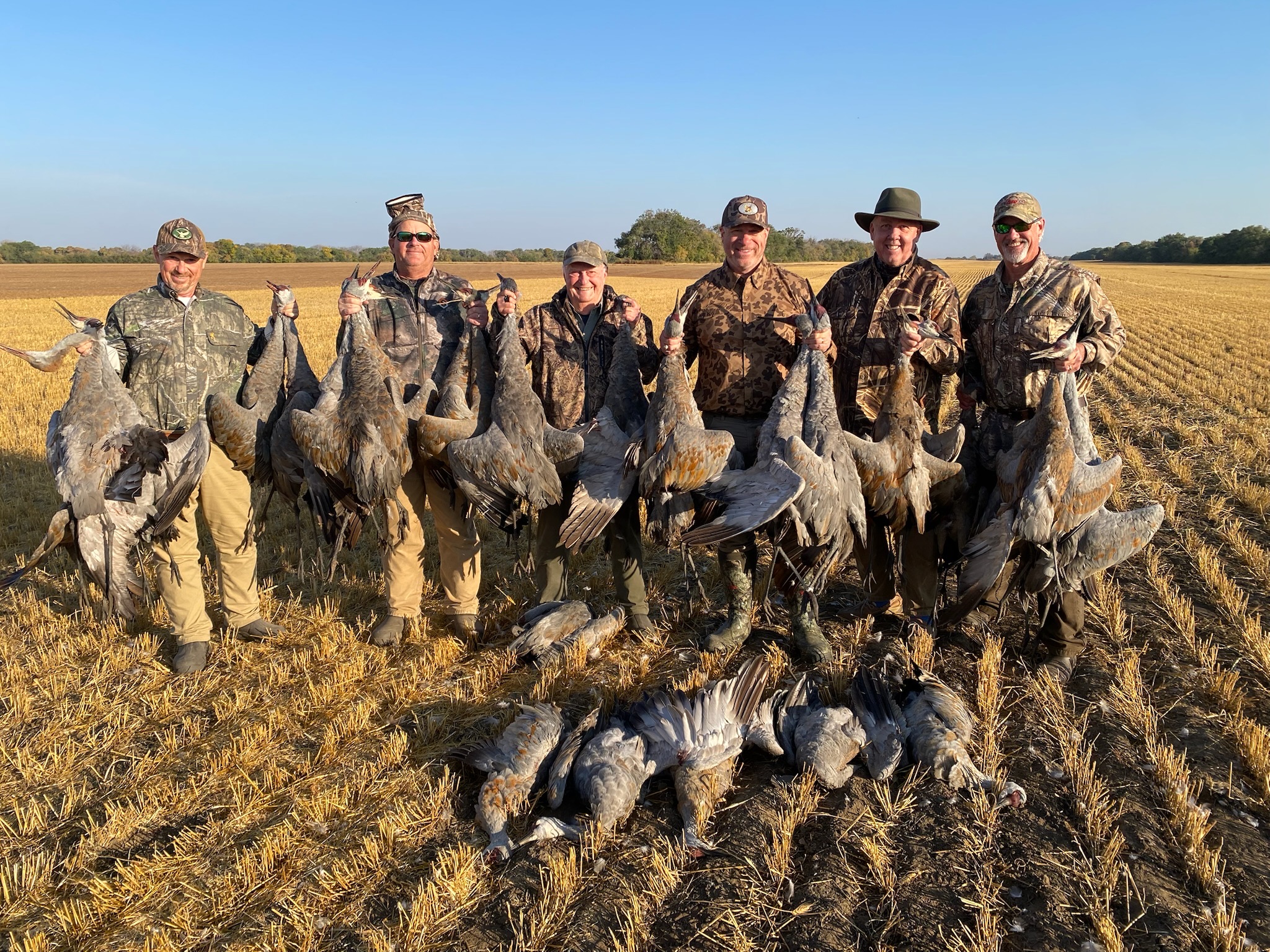
As northern birds arrive, light geese and specklebellies flood the stubble. This is prime time for mixed bags, sandhill cranes, and two hunts a day at Lucky Lake.
Late Season
Cold weather concentrates the birds that stay. Lucky Lake hunts run to the December 15 season close. Contact us for available dates.
What a Day on the Prairie Looks Like
Canadian hunts follow the birds. Each day is planned around the latest scouting, so your time goes where the flocks are feeding.
-
Morning Goose Hunts: Groups set up in grain fields before first light and hunt geese as they come off the roost.
-
Afternoon Duck Hunts: The focus shifts to ducks working fields and potholes, with mallards and pintails leading the mix.
-
Two Hunts a Day at Peak: During peak migration at Lucky Lake, guests often head out for two fully guided hunts daily.
- Sandhill Crane Decoying: Saskatchewan’s trophy hunt, with cranes worked into decoys during the peak weeks of the fall flight.
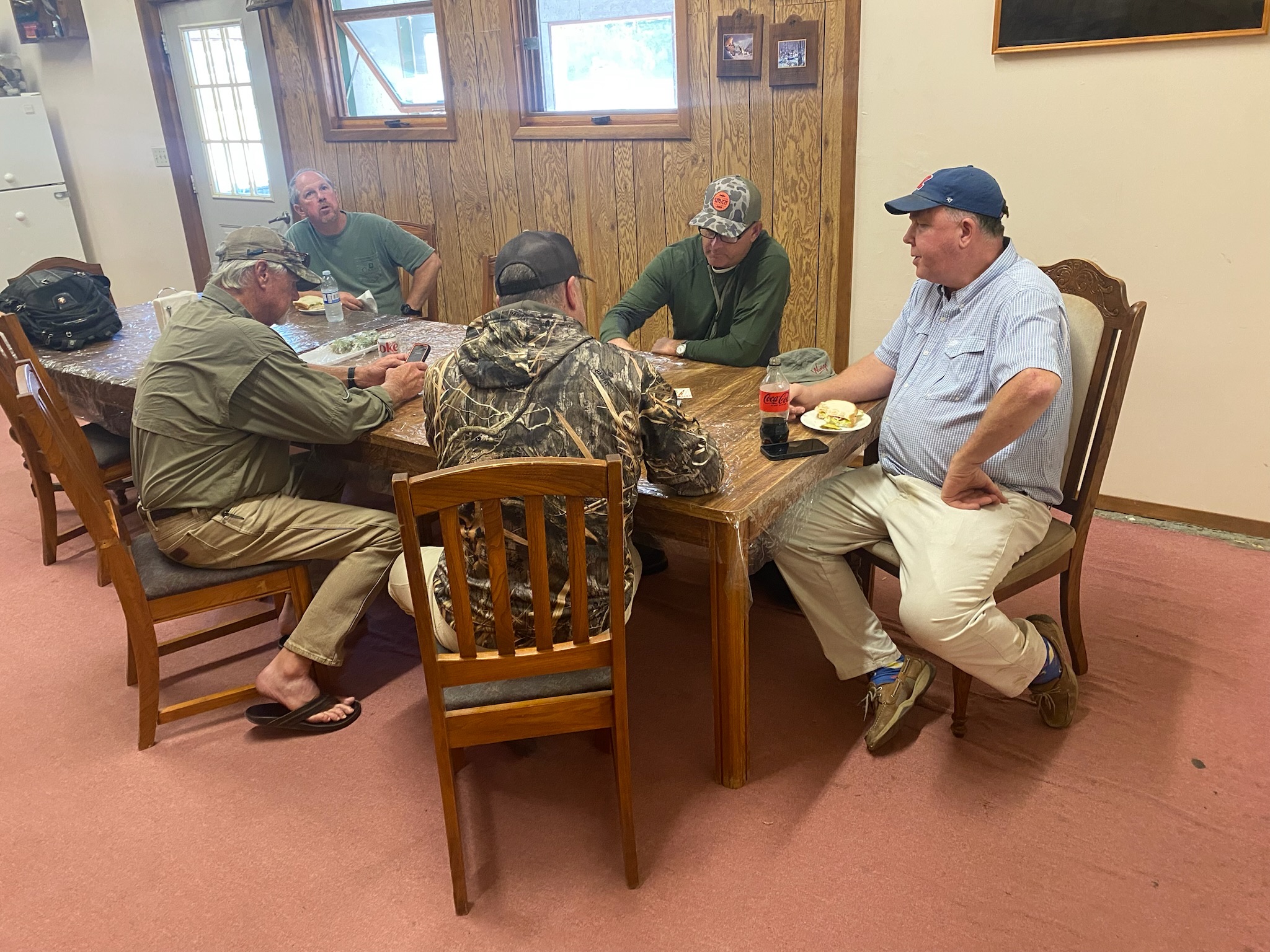
- Prairie Lodge Living: Comfortable rooms, home-cooked meals, and a relaxed camp atmosphere between hunts.
- Turnkey Service: From arrival to departure the outfitter handles the details, so your attention stays on the birds.
What Our Canadian Outfitters Bring to the Field
Prairie birds move constantly, and knowing where they’ll be tomorrow decides the hunt.
-
Daily Scouting: Guides scout continuously and build each hunt around fresh bird movement, placing every group in the most active field.
-
Room to Follow the Birds: Northern Winds hunts more than 36,000 square miles of Alberta habitat, so guides can stay with the flocks as they shift fields.
-
Spread and Setup Know-How: From light geese to cranes, guides tailor decoy spreads and blind placement to the birds working each field.
Ready to Plan Your Canada Waterfowl Hunt?
Canada Hunts Frequently Asked Questions
How do I get to the lodges in Saskatchewan and Alberta?
For Lucky Lake, fly into Saskatoon (YXE), where the outfitter’s team picks you up and drives you to camp. For Northern Winds, fly into Edmonton (YEG). Camp is about two hours northeast. Wings coordinates timing and travel details for your group.
What does a typical hunting day look like?
Most days start with a morning goose hunt over decoys in a grain field, followed by an afternoon duck hunt. During peak migration, two fully guided hunts a day are common, with meals and downtime at the lodge in between.
What is included in a Canada waterfowl package?
Packages include lodging, meals, and professionally guided hunts, and Northern Winds hunts are all-inclusive. Inclusions vary by outfitter, so we confirm exactly what your trip covers during planning.
Can I bring my own shotgun into Canada?
Yes. Non-residents declare firearms at the border on the Non-Resident Firearm Declaration (RCMP 5589), which carries a CAN$25 fee. Fill out the form before you travel, but don’t sign it until you’re in front of the border officer. We’ll walk you through the process before your trip.
What hunting licenses do I need?
Waterfowl hunters in Canada need a federal Migratory Game Bird Hunting permit plus the required provincial licenses for Saskatchewan or Alberta. Requirements differ by province, and we’ll help you get everything in order before the season.
Can I bring my birds back to the United States?
Rules for bringing migratory game bird meat into the U.S. have changed in recent seasons and can change again. Check current requirements before you travel, and ask us what applies to your trip.
When is the best time to hunt Canada?
Peak migration offers the most birds and the widest variety. Early fall favors local ducks and resident geese, and late-season Lucky Lake hunts run to the December 15 close. Reach out early to secure your preferred dates.